


Built for the
next century.
Corrosion-free reinforcement, built to outlast the structures it holds together.
Scroll Bouygues
  FROOT USA
 Reinforcement,
without the rust.
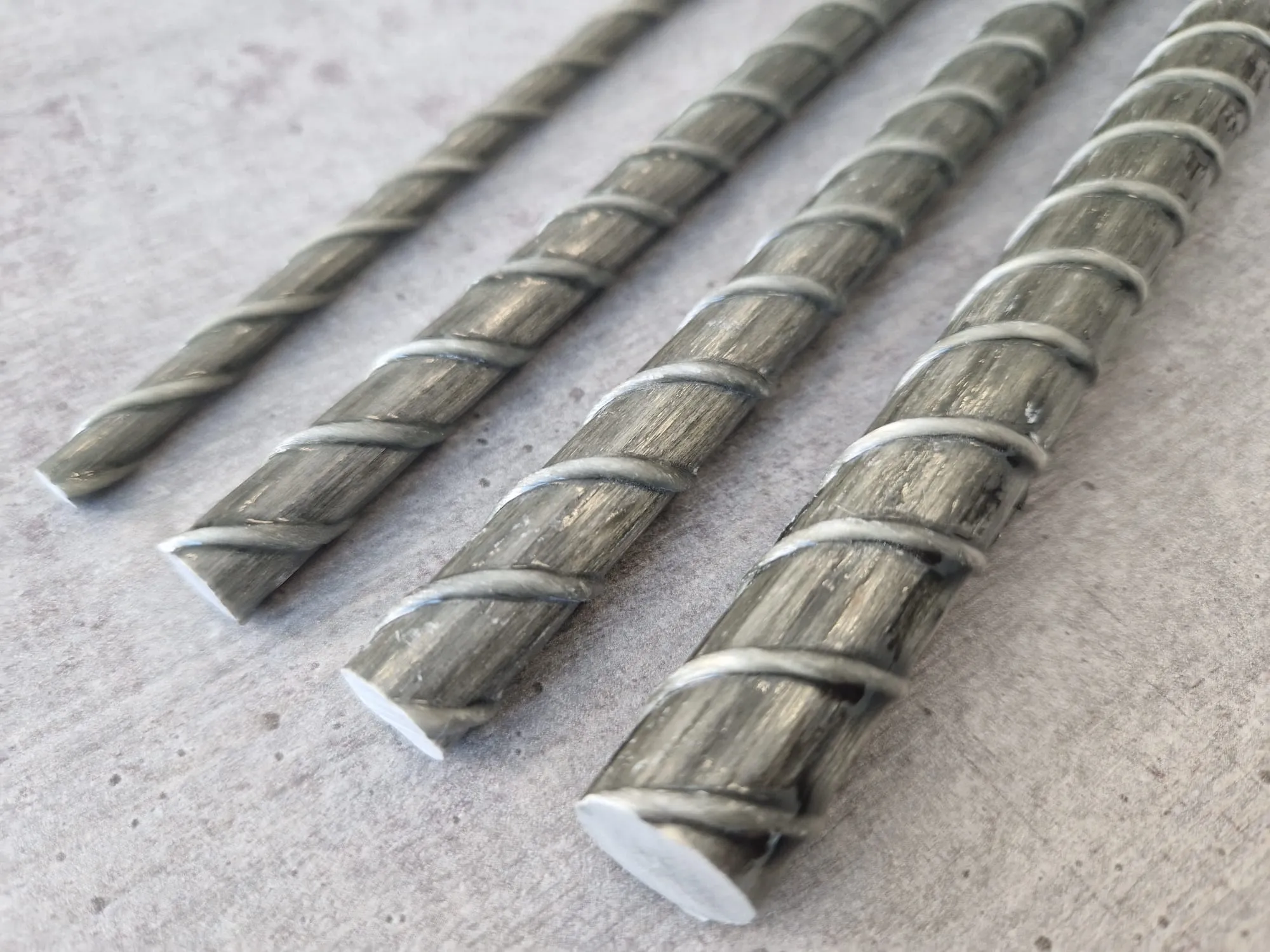
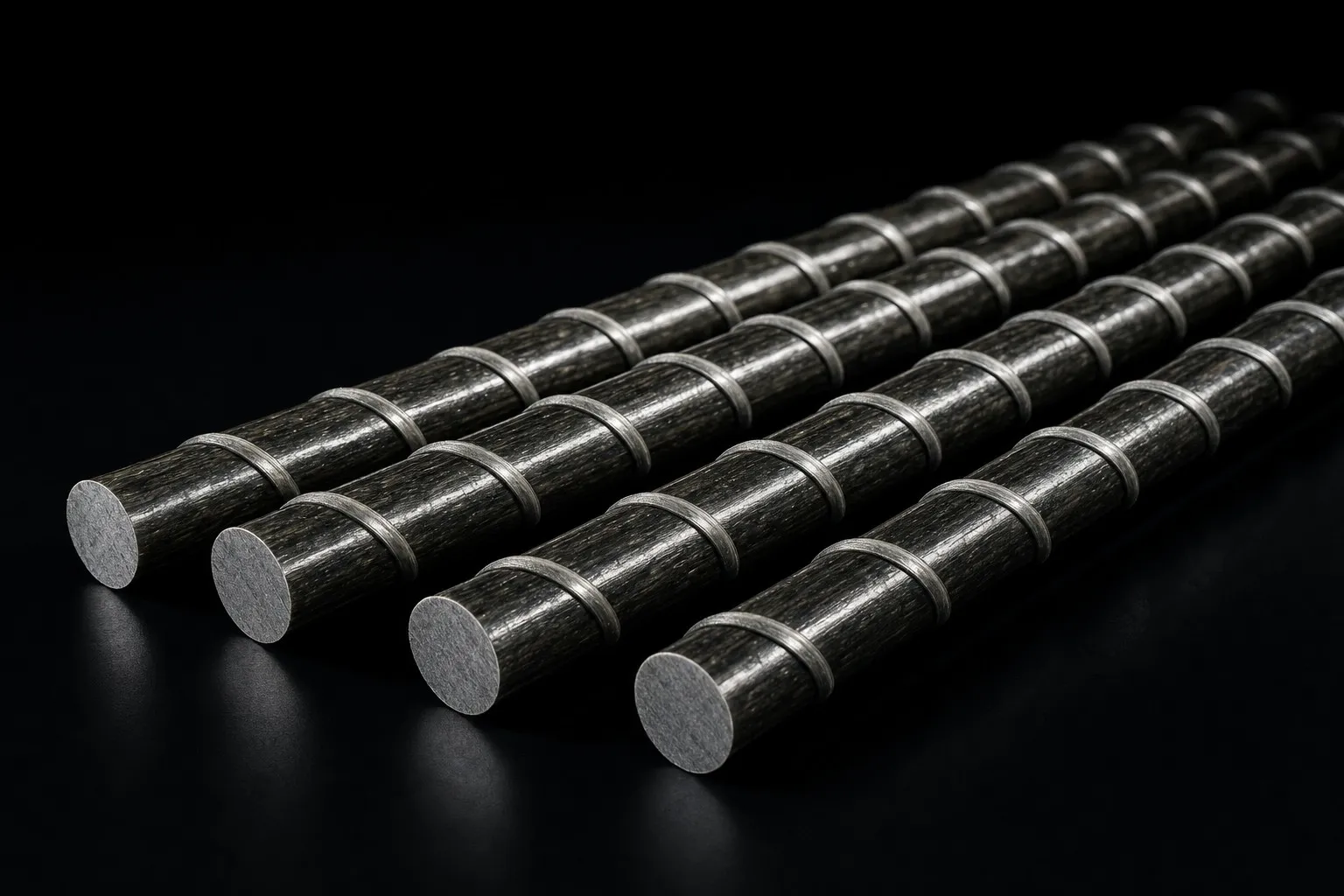
GFRP rebar replaces steel reinforcement in concrete. The bar is glass fibre bound in resin — lighter than steel, it doesn't corrode, and it lasts as long as the concrete around it. Same job, longer life, fewer emissions.
Specify GFRP
with confidence.
Datasheets, the European Technical Assessment (ETA 23/0523), the BIM family and per-diameter mill test certificates — plus an engineer on our side to talk it through.
Priced like steel.
Built to outlast it.
Compared with the corrosion-protected steel specified for these structures, GFRP costs about the same up front — then saves decades of repairs, recoating and closures.

Cooperate
where you operate.
Become a regional partner. Sample bundles, training and a marketing kit are on us; regions are agreed by territory.
The short story,
in six numbers.
Less carbon. Longer life. Stronger bond. The numbers we stand behind — each one backed by source documents we're happy to send.
- 01Up to 70 %less carbon than steel rebar — without losing strength.
- 0280+ yearsof service inside concrete. Beyond the buildings themselves.
- 032.4× strongerin tension than the steel reinforcement it replaces (940–1,200 MPa).
- 044× lighterthan steel. One truck of GFRP replaces seven steel trucks.
- 056 M+ m / yrmade in Slovakia. Shipped across Europe and beyond.
- 062024Selected by Microsoft, Capgemini & Bouygues.
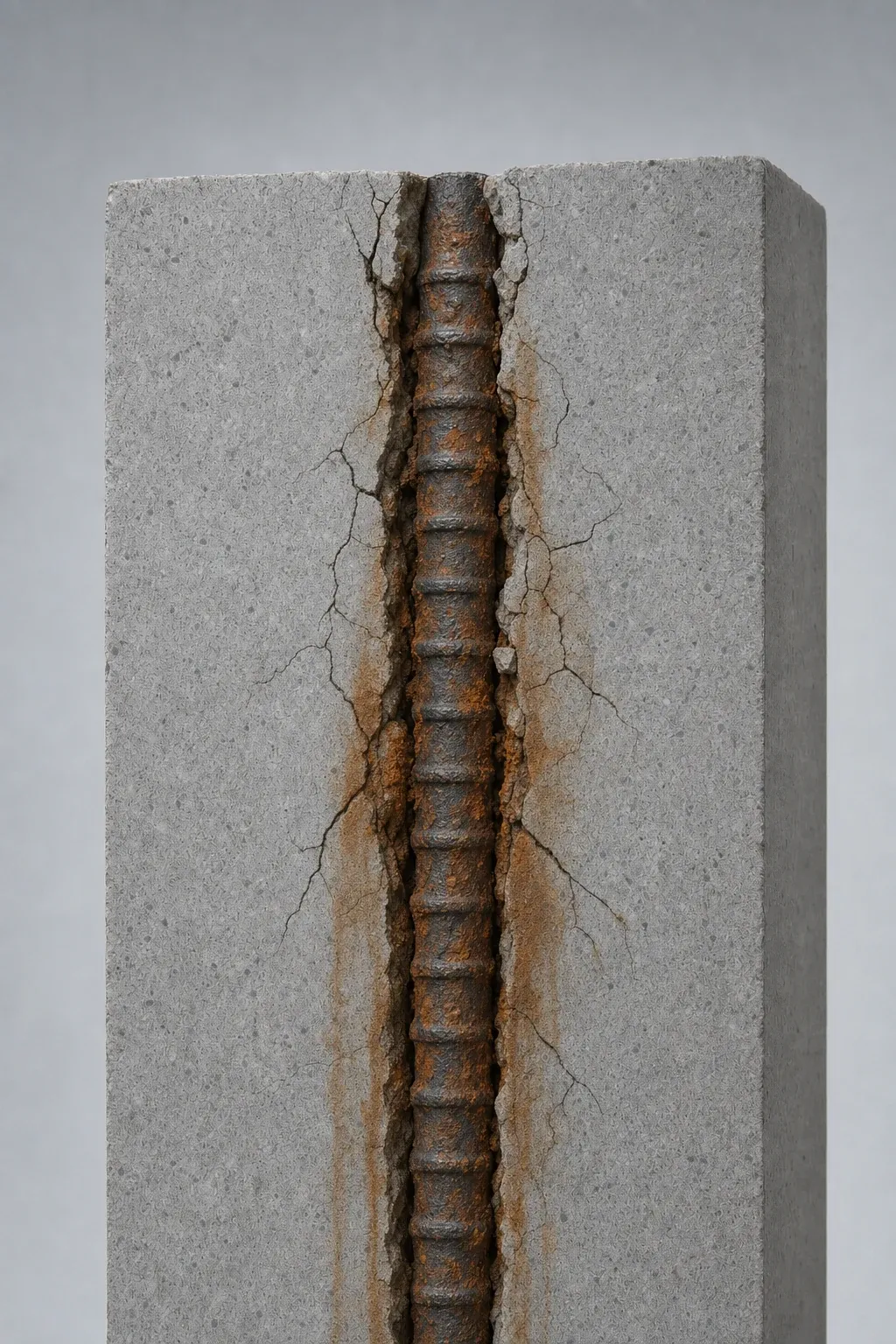
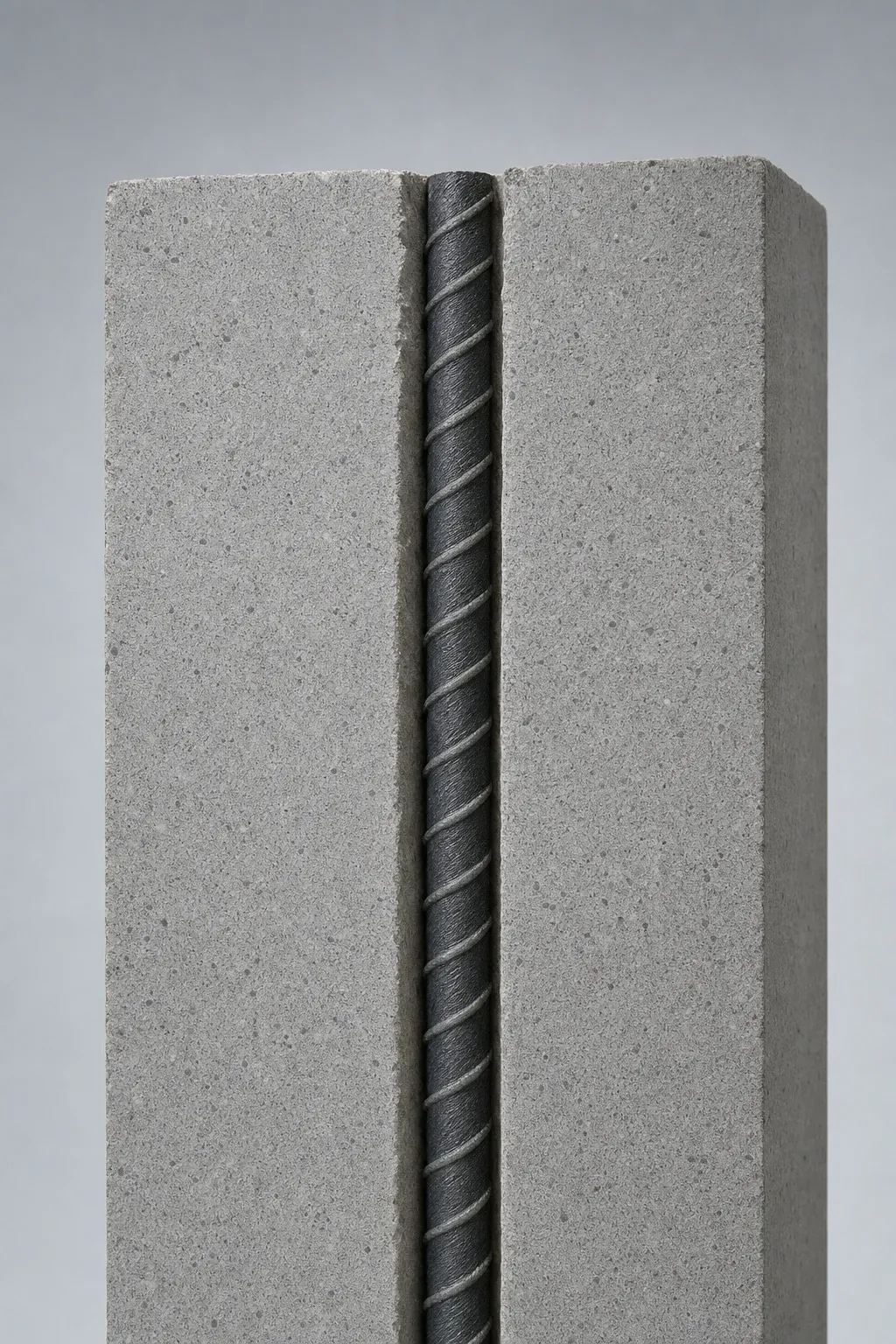
Same concrete after chloride exposure. Steel corrodes and cracks the cover; GFRP does not.
A different kind of reinforcement.
Instead of steel, we use glass fibre bound in resin. The bar is lighter, it doesn't corrode, and it lasts the full life of the concrete around it. Same job, longer working life, fewer emissions.
Stays intact in salt water, chemicals and moisture. Steel rebar does not.
Four times lighter than steel. One truck of GFRP replaces seven trucks of rebar.
Up to seventy percent less CO₂ in production than the steel it replaces.
Designed for eighty years or more inside concrete — longer than most buildings.
Where steel
runs out of life.
We work mostly with project engineers on structures where corrosion is the main reason they fail — and, increasingly, where the carbon budget is part of the spec. Four typical cases.
- Coastal & marine
Saltwater piers, sea walls, breakwaters and quays where chloride attack ends steel rebar long before the structure.
CASE NOTE - Alpine & cold-climate
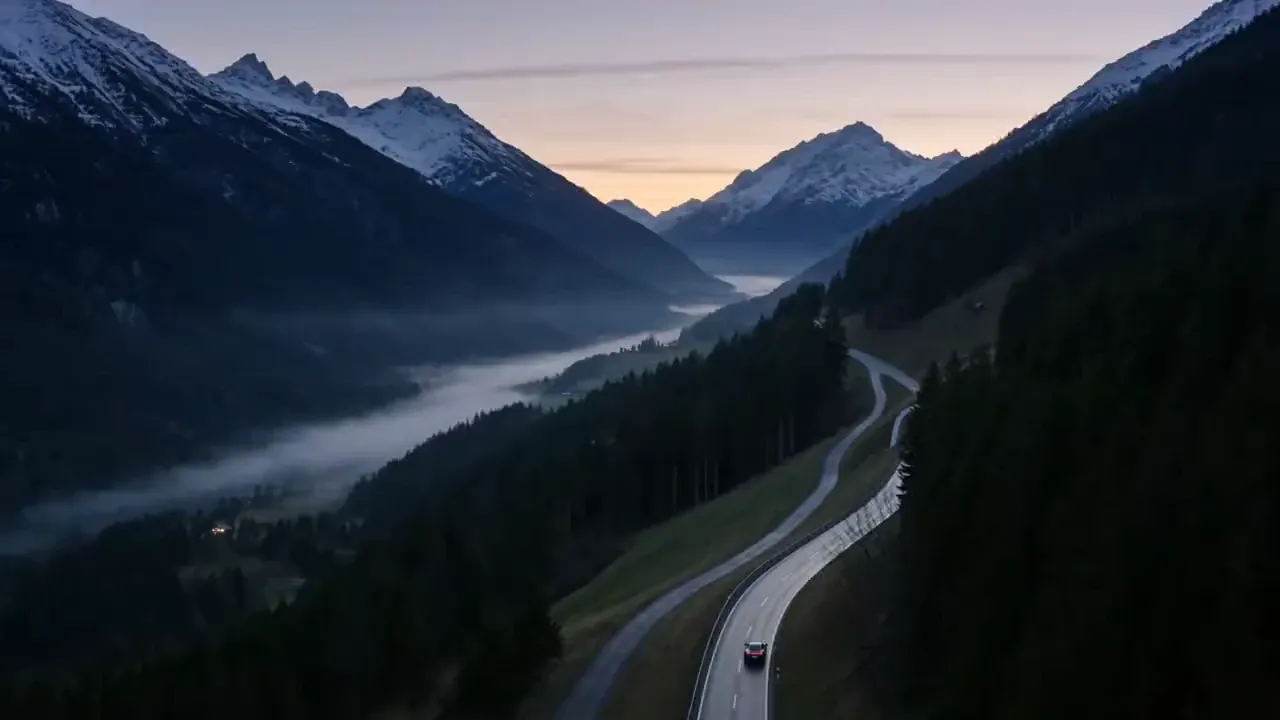
De-icing salt on bridge decks, motorway barriers and tunnel linings — the main reason mountain infrastructure needs constant repair.
CASE NOTE - Chemical & water
Wastewater plants, chemical containment slabs, drainage channels and acidic industrial floors.
CASE NOTE - Tunnels & 5G
Radio-transparent reinforcement for tunnels, MRI suites, rail interlockings and embedded sensors. Where steel cannot go.
CASE NOTE
The dominant failure mode in modern infrastructure is not structural capacity — it is durability.